Breathing Techniques for Better Sleep in 2026
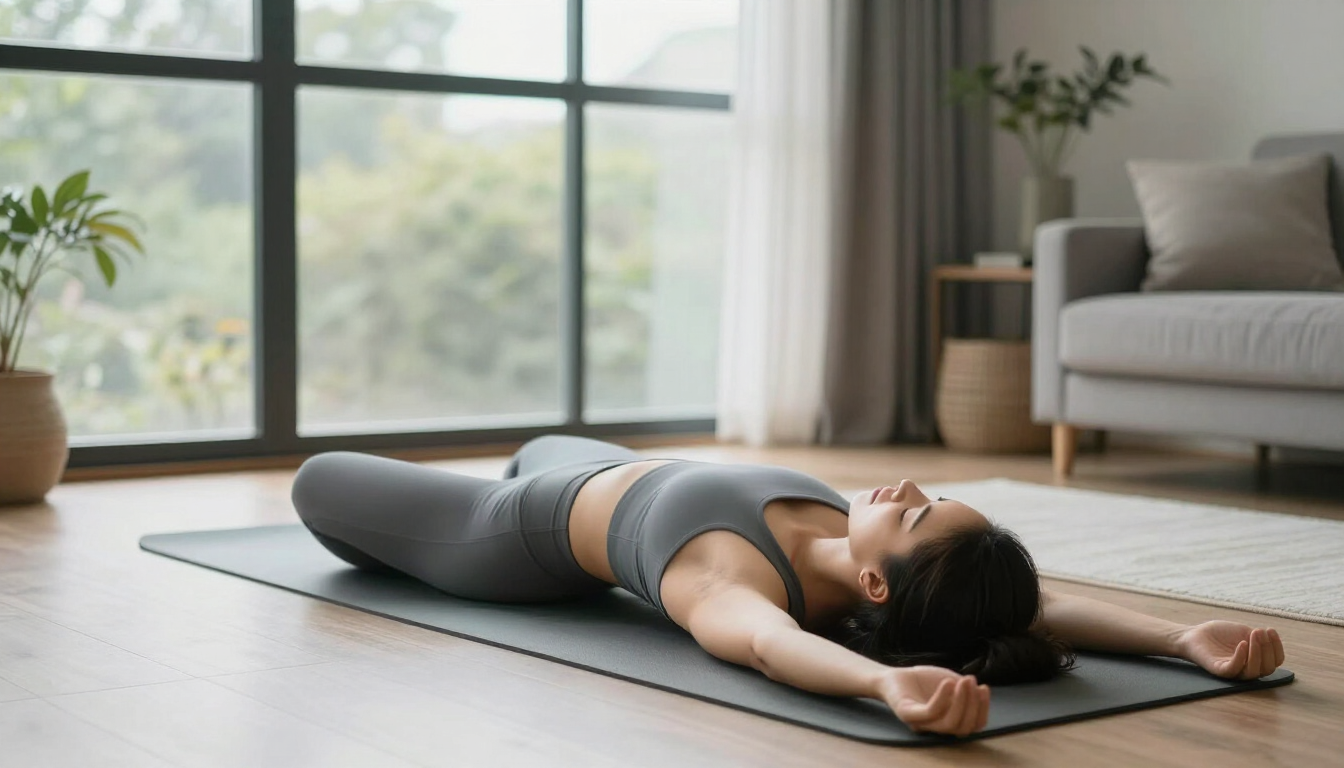
Why breathing matters for sleep
Breathing is the one bodily function that is both automatic and under your conscious control, which makes it a uniquely powerful tool for improving sleep. When you lie awake at night, your nervous system is usually stuck in a state of mild alert. Your heart rate is a little elevated, your thoughts are racing, and your body simply has not received the signal that it is safe to switch off. Deliberate breathing is the fastest way to send that signal, because slow, rhythmic breaths directly activate the parasympathetic nervous system, the branch responsible for rest and recovery.
In 2026, with screens, notifications and constant mental stimulation competing for our attention until the moment we close our eyes, breathing techniques have become more relevant than ever. They are free, require no equipment, and can be practised in bed without disturbing anyone. Best of all, they work with your biology rather than against it. If you have been struggling to fall asleep or waking through the night, learning to breathe well may be the single most effective change you can make tonight.
The 4-7-8 method
The 4-7-8 method is one of the most popular breathing techniques for sleep, and for good reason. It is simple to remember and easy to perform. You breathe in quietly through your nose for four seconds, hold your breath for seven seconds, and then exhale slowly through your mouth for eight seconds. The long exhale is the key, because it forces your heart rate to slow and encourages a feeling of release. Repeat the cycle four times to begin with, and gradually build up as it becomes more comfortable.
What makes the 4-7-8 method so effective is the ratio rather than the exact counts. The extended hold and longer exhale mimic the breathing pattern your body naturally adopts as it drifts into deep sleep. By deliberately copying that pattern while you are still awake, you are essentially rehearsing sleep for your nervous system. Many people find they fall asleep before completing several cycles. If you want a guided approach that walks you through this and other proven routines, the Breathing for Sleep program is a structured option worth exploring.
Box breathing for a calm mind
Box breathing, sometimes called square breathing, is a technique borrowed from military training and used to steady the mind under pressure. It works just as well for sleep as it does for high-stress situations. You inhale for four seconds, hold for four seconds, exhale for four seconds, and hold empty for four seconds, tracing an imaginary square with your breath. The equal counts create a sense of balance and rhythm that is deeply soothing to an overactive mind.
This technique is particularly helpful if your sleeplessness is driven by anxious thoughts. The counting gives your mind something neutral to focus on, which interrupts the loop of worries that often keeps people awake. As you settle into the rhythm, your breathing naturally slows and deepens, your shoulders drop, and the physical tension that has been quietly building all day begins to dissolve. Practising box breathing for five to ten minutes before bed can make a noticeable difference to how quickly you drift off.
Diaphragmatic breathing to release tension
Many adults breathe shallowly from their chest without realising it, especially when stressed. This upper-chest breathing keeps the body in a low-grade state of alert and makes it harder to relax into sleep. Diaphragmatic breathing, also known as belly breathing, corrects this by engaging the diaphragm fully. Place one hand on your chest and the other on your stomach, then breathe in slowly through your nose so that the hand on your stomach rises while the hand on your chest stays still. Exhale gently through pursed lips.
When you breathe from your belly, you stimulate the vagus nerve, which plays a central role in switching your body into a calm, restorative state. Over time, practising diaphragmatic breathing during the day trains your body to default to this deeper, slower pattern, so by the time you get into bed your nervous system is already primed for rest. For a step-by-step system that combines several of these methods into one evening routine, this breathing technique program offers a clear, guided path to follow.
Left nostril breathing to wind down
A gentler technique drawn from yoga traditions is alternate nostril breathing, with a particular emphasis on the left nostril. In yogic breathing theory, the left nostril is associated with the cooling, calming side of the nervous system, making it especially useful before sleep. Close your right nostril with your thumb and breathe in slowly through your left nostril, then close the left nostril with your ring finger and exhale through the right. Continue alternating for several minutes, keeping the breath soft and effortless.
Even if you are sceptical of the traditional explanations, the practical effect is hard to argue with. The slow, focused breathing lowers your heart rate and gives your attention somewhere restful to land. Many people who try this technique report a noticeable shift within a few minutes, describing a feeling of mental quiet that is otherwise hard to reach at the end of a busy day. It is a good option when other methods feel too effortful.
Building a bedtime breathing routine
A single night of breathing practice can help, but the real benefits come from consistency. When you make breathing part of your nightly wind-down, your body starts to associate the practice with sleep, so the calming response becomes faster and stronger each time. Choose one technique that feels natural to you and stick with it for at least two weeks before judging the results. Keep your bedroom cool, dark and quiet, put your phone away at least thirty minutes before bed, and let your breath do the rest of the work.
It also helps to combine breathing with other simple sleep-friendly habits. A warm shower, a few minutes of gentle stretching, or writing down a short list of things on your mind can all complement the calming effect of your breath. If you would like a complete, guided system that brings these elements together so you do not have to figure it out alone, you can try Breathing for Sleep here and start building a calmer, more reliable bedtime routine tonight.
A natural path to better rest
Breathing techniques for better sleep in 2026 are not a gimmick or a quick fix. They are a direct, biological way to guide your body from wakefulness into rest, using a tool you already carry with you everywhere. Unlike sleep medications, they have no side effects, cost nothing, and become more effective the more you practise them. Whether you struggle to fall asleep, wake during the night, or simply feel unrefreshed in the morning, learning to breathe well is one of the most worthwhile investments you can make in your long-term health.
Start small, be patient, and give your body time to learn the new pattern. Within a few weeks of consistent practice, most people notice they fall asleep faster, wake less often, and feel more rested in the morning. Better sleep is not something you have to chase; with the right breathing, it is something you can gently invite in, night after night.